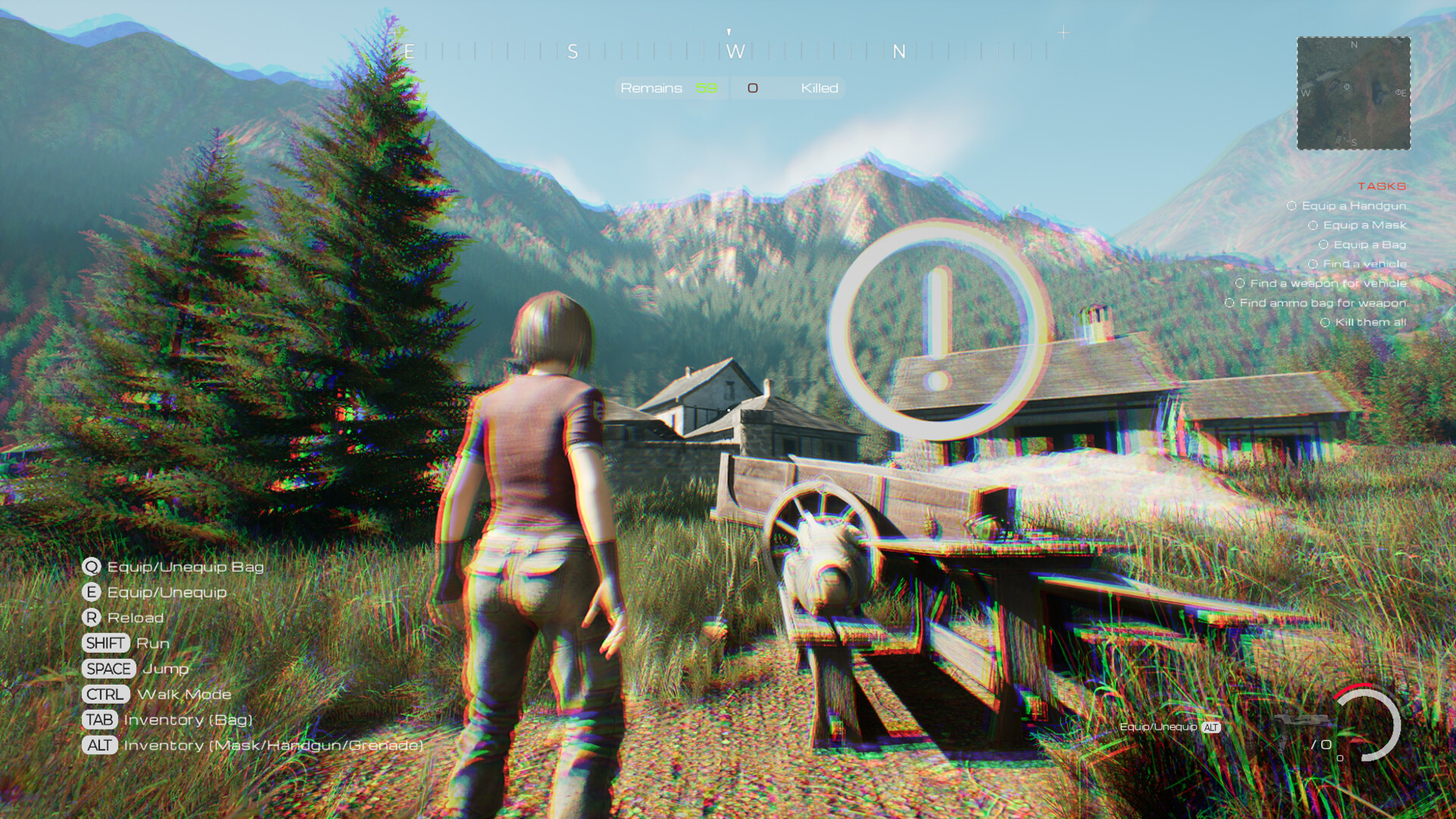
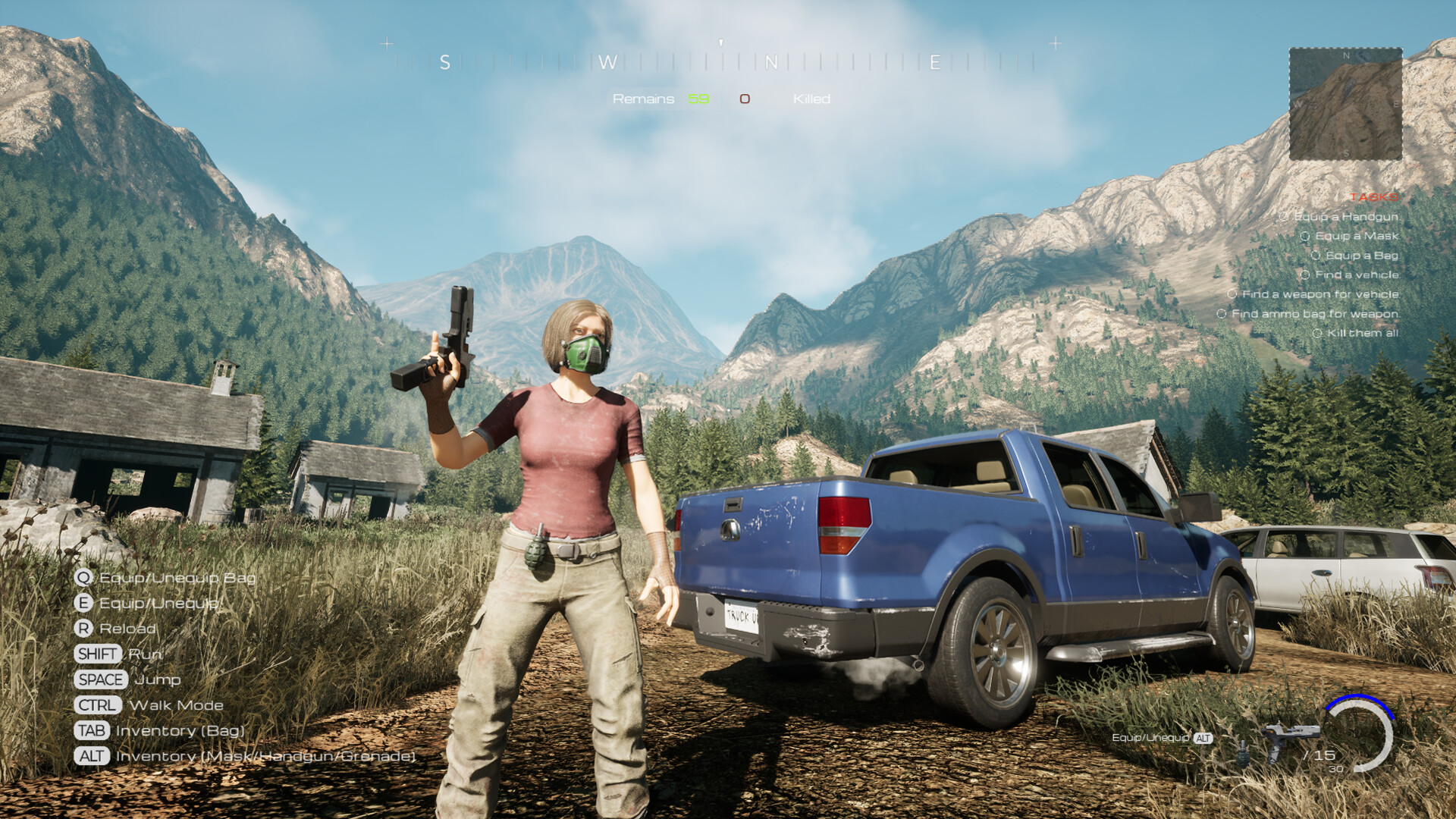
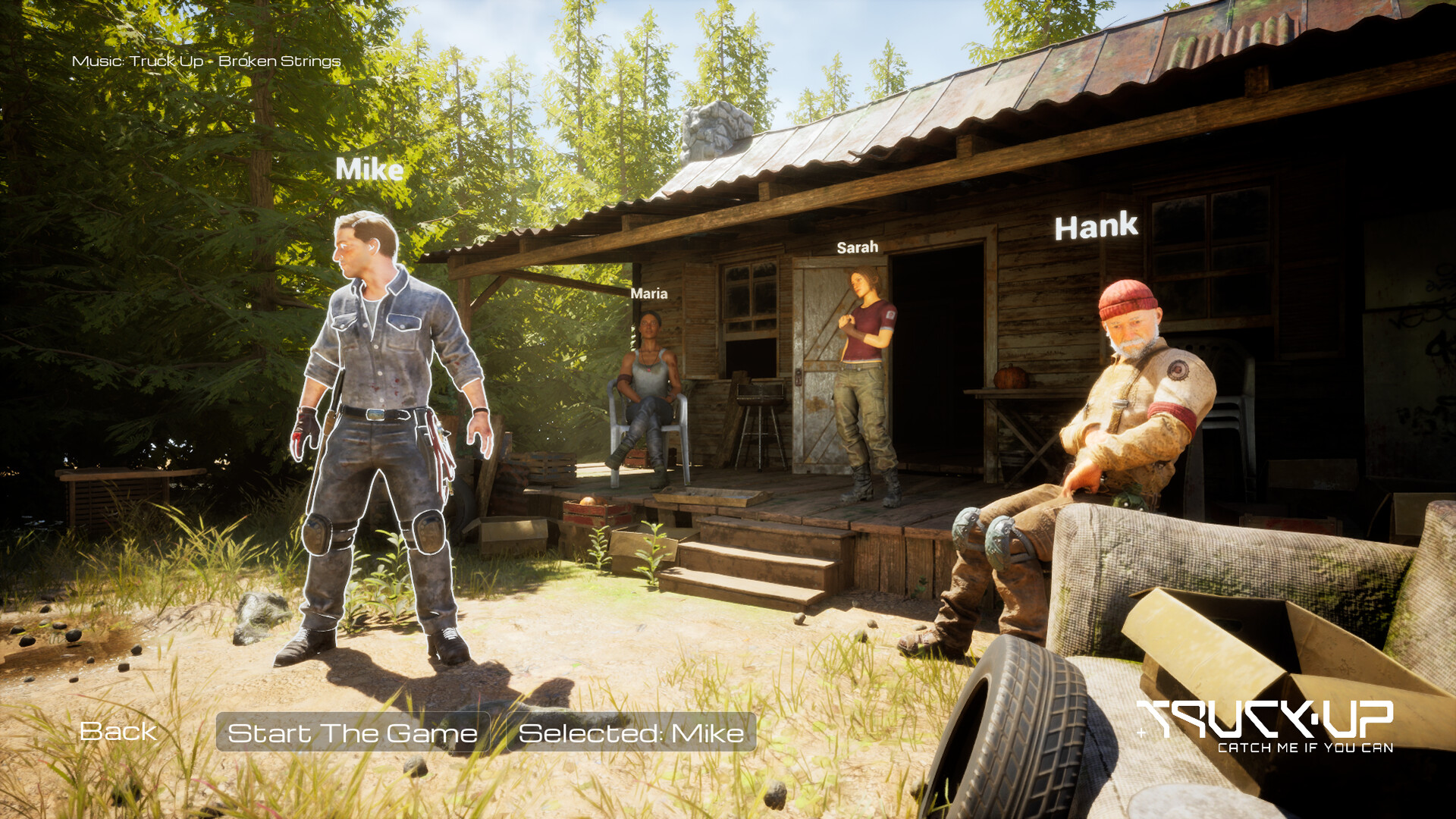
Truck Up: Catch Me If You Can
Town defense action with armed vehicles or creating city chaos with zombie hordes in a post-apocalyptic world.
In multiplayer vehicle simulations, fun is born from the fluidity of network synchronization.
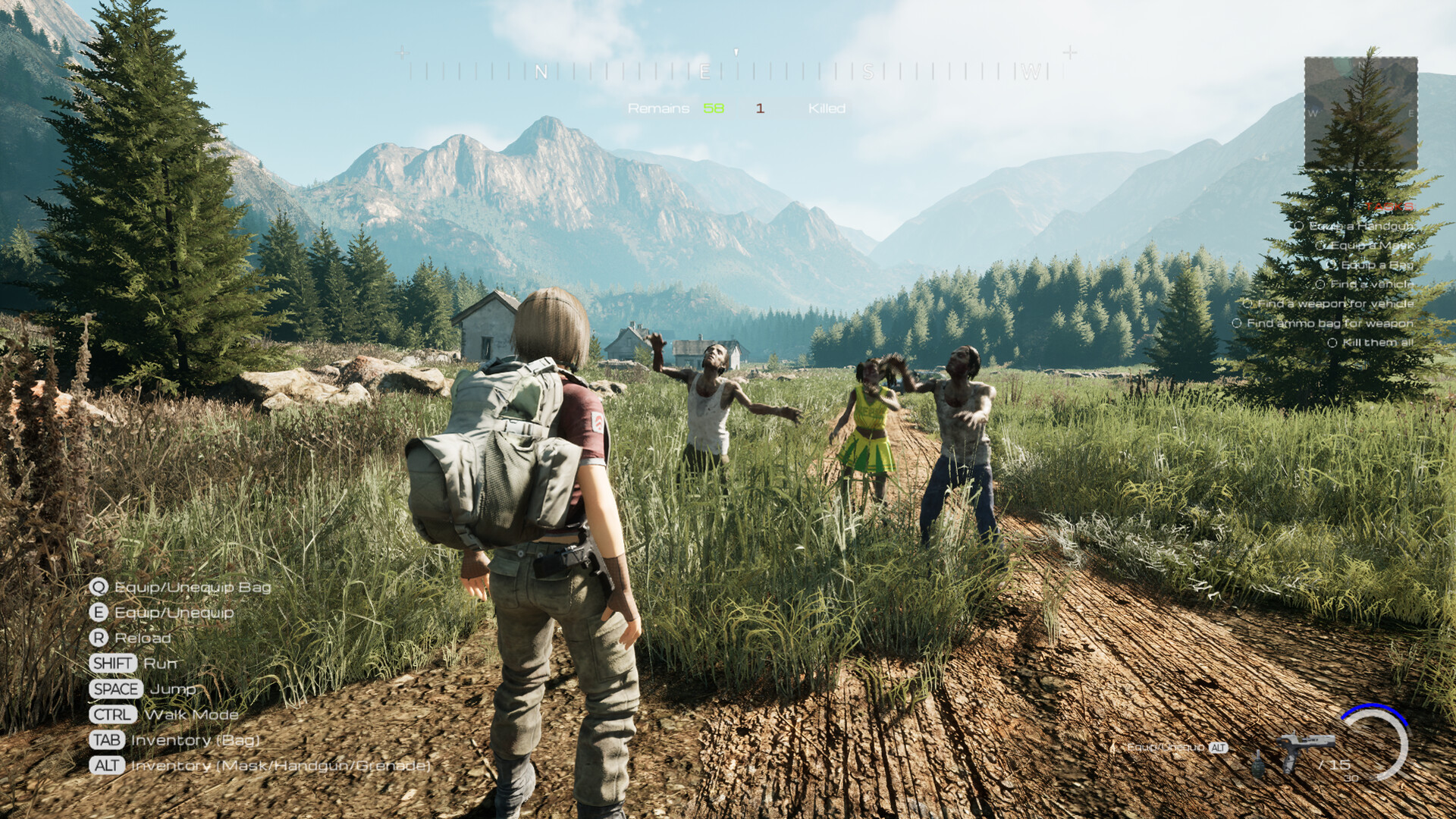
In Truck Up: Catch Me If You Can, players meet in two opposing roles: defenders protecting their towns from zombie swarms with heavy armed vehicles in a post-apocalyptic world, or attackers summoning zombie armies to unleash chaos across cities.
Synchronizing this asymmetrical structure and physics-based vehicle simulations lag-free in a multiplayer network environment is a significant technical challenge. Vehicle physics, bullet casings, and zombie swarms are validated at high frequency server-side.
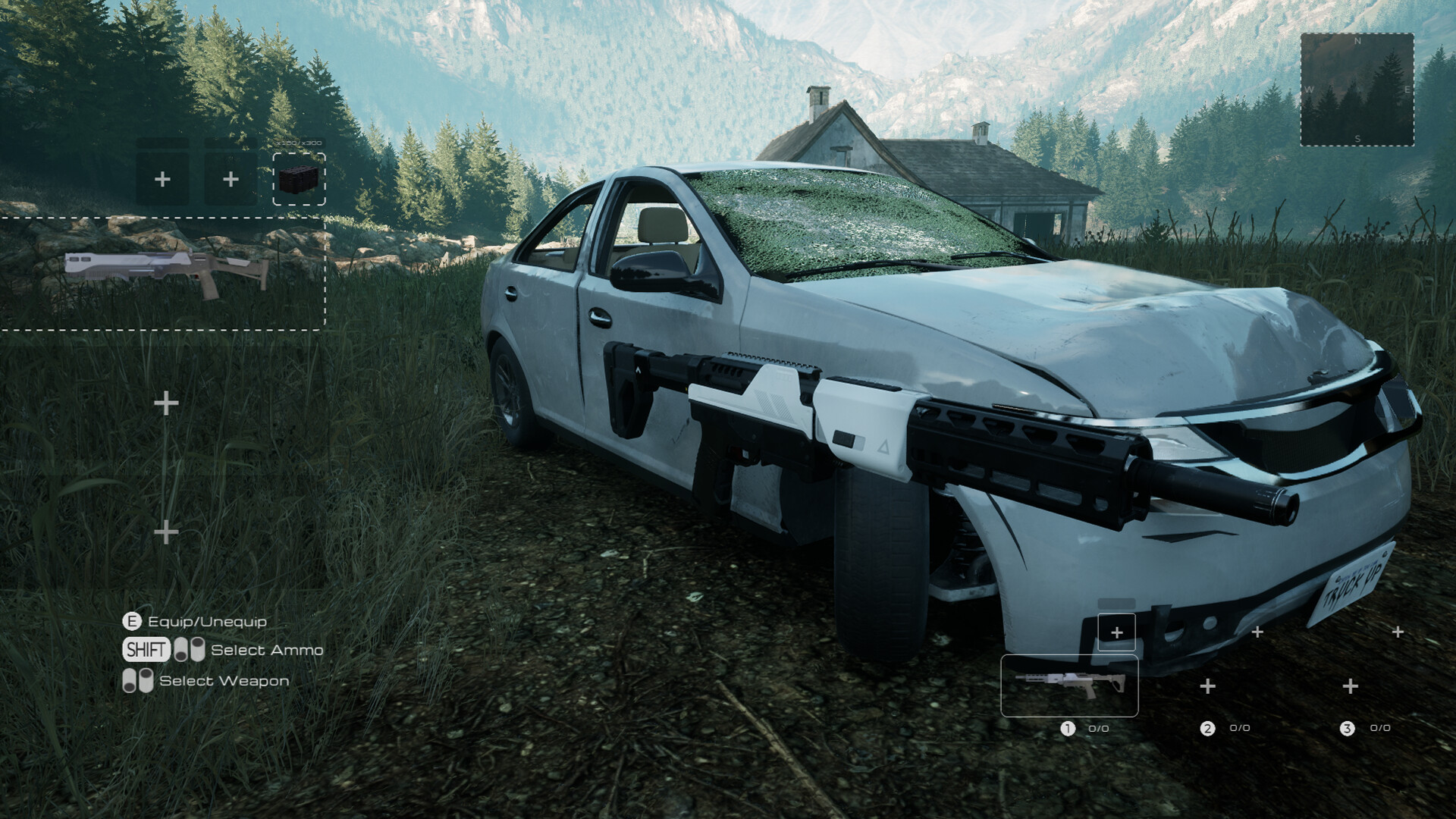
Chaos Vehicle & Weaponry
I developed heavy vehicle suspensions, off-road traction, and vehicle-mounted heavy weapons in C++ by customizing Unreal Engine 5 Chaos Vehicles.
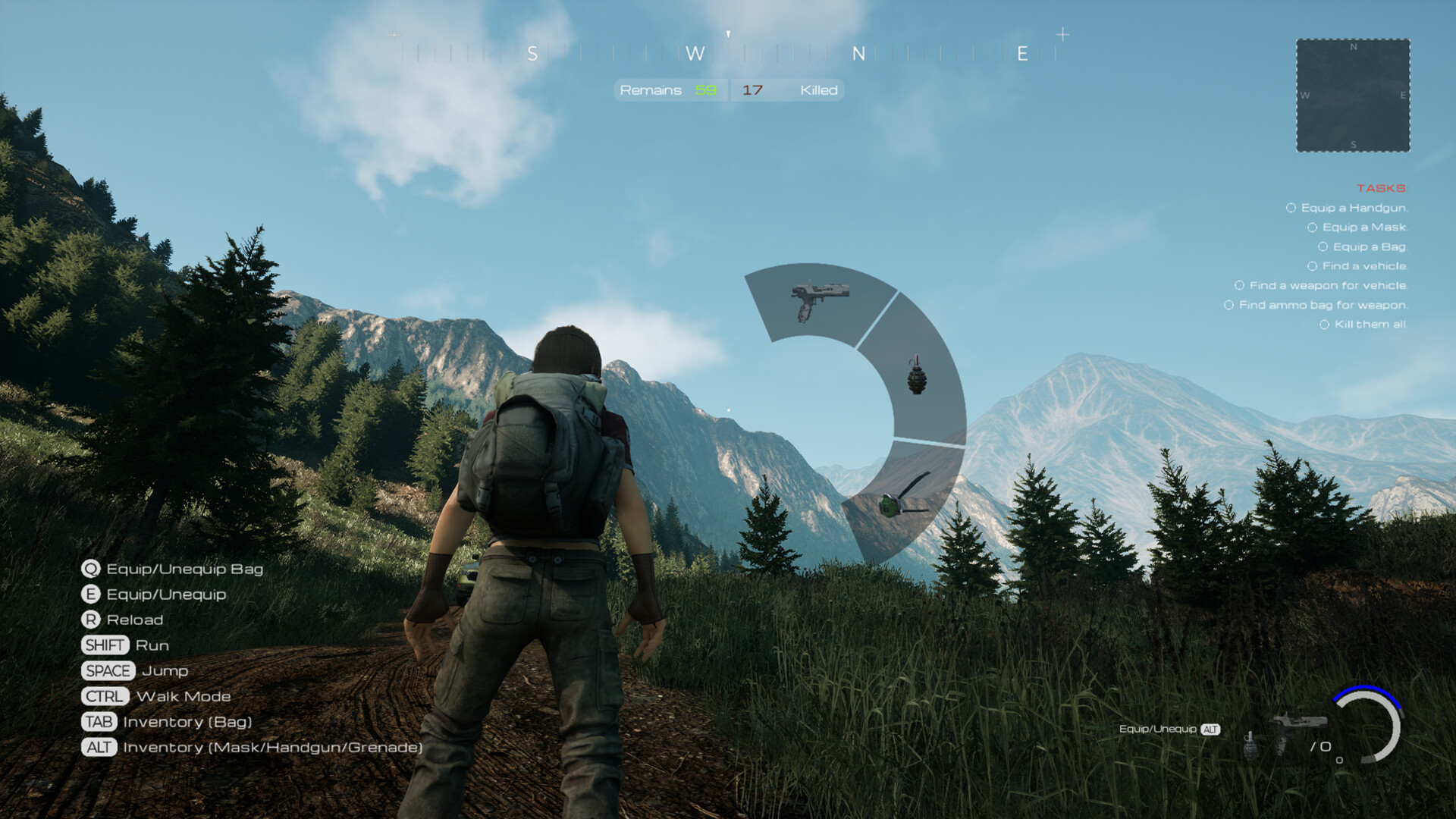
Real-Time Asymmetrical Co-op / PvP
By building a server-authoritative network architecture, I minimized physics collisions and latency during simultaneous action.
Network Replication
Vehicle position, velocity, and acceleration data were compressed using quantization algorithms, reducing server-client bandwidth by 40%.
Client Prediction
Prediction algorithms were implemented to process player input locally during high ping scenarios and correct seamlessly upon server reconciliation.
Zombie Swarm AI
Mass AI systems were designed to route hundreds of zombie actors on the server without performance degradation.
Physics Data Never Trusts the Client
I learned that client-side physics calculations lead to cheating and desync; server-validated deterministic physics loops are mandatory.
Every Network Packet Means Budget
I experienced that every unnecessary RPC call creates network bottlenecks; packing data and sending delta updates is vital.
Chaos Must Be Managed in Asymmetrical Games
I observed that power balance between vehicle defenders and zombie commanders requires continuous testing with fine mathematical tuning.